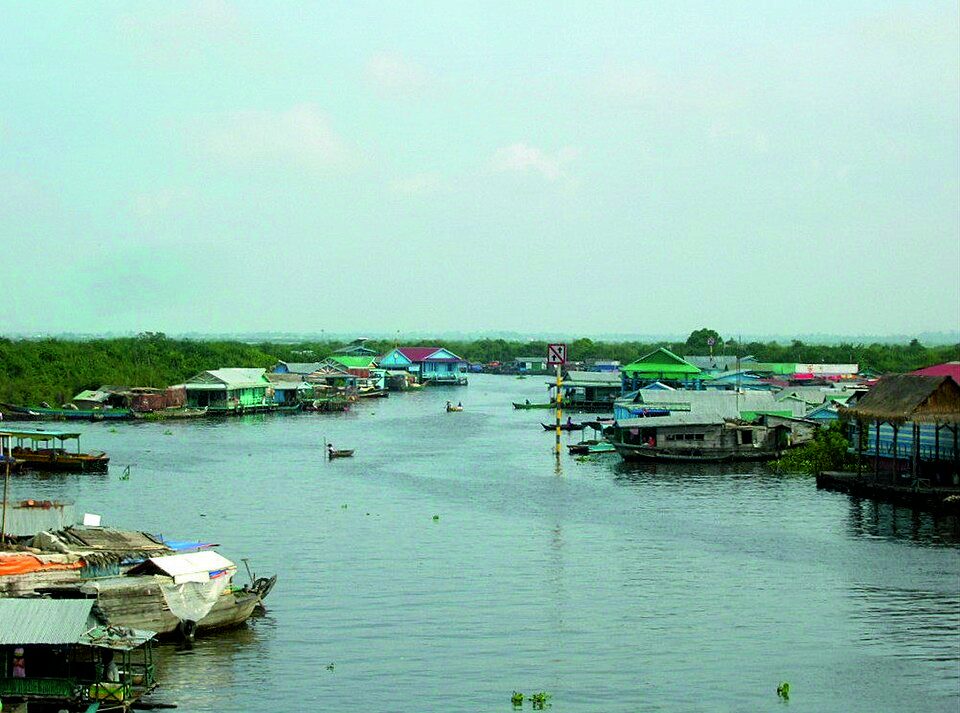
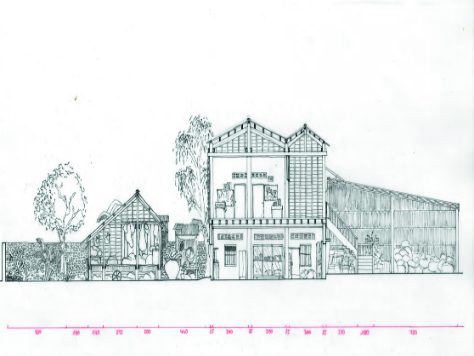
Intangible heritageWhat makes the site of Angkor unique relies heavily on its vast territory and its resident population, living in villages that are part of the site. Know-how, rituals and socio-spatial practices, such as the traditions linked to the use of the site, need to be better documented and preserved. The proposal to inscribe seven elements of Cambodia's intangible heritage on UNESCO's list of the Intangible Cultural Heritage of Humanity is an important step in this direction.
Climate changeThrough their effects on water resources, on the volume and frequency of rainfall, on the strength of foundation soils, and on agricultural activities, climatic variations are already affecting the integrity of the site. Adaptation and mitigation policies need to be developed, for both tangible and intangible heritage.
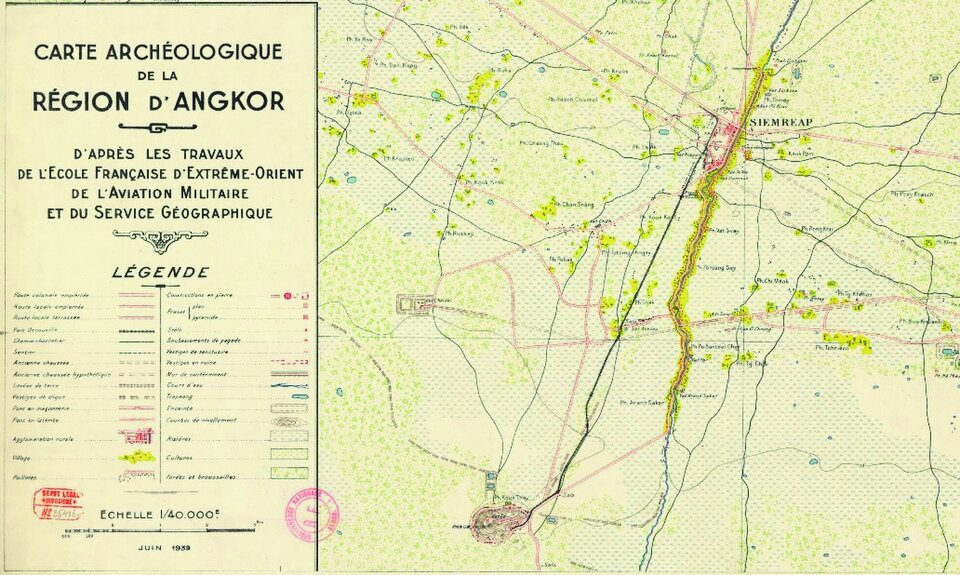
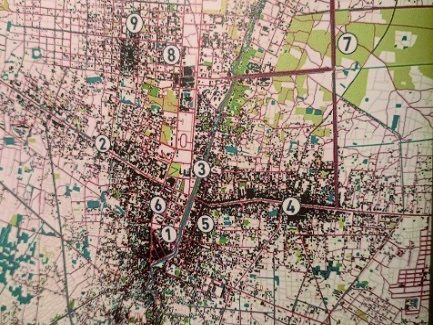
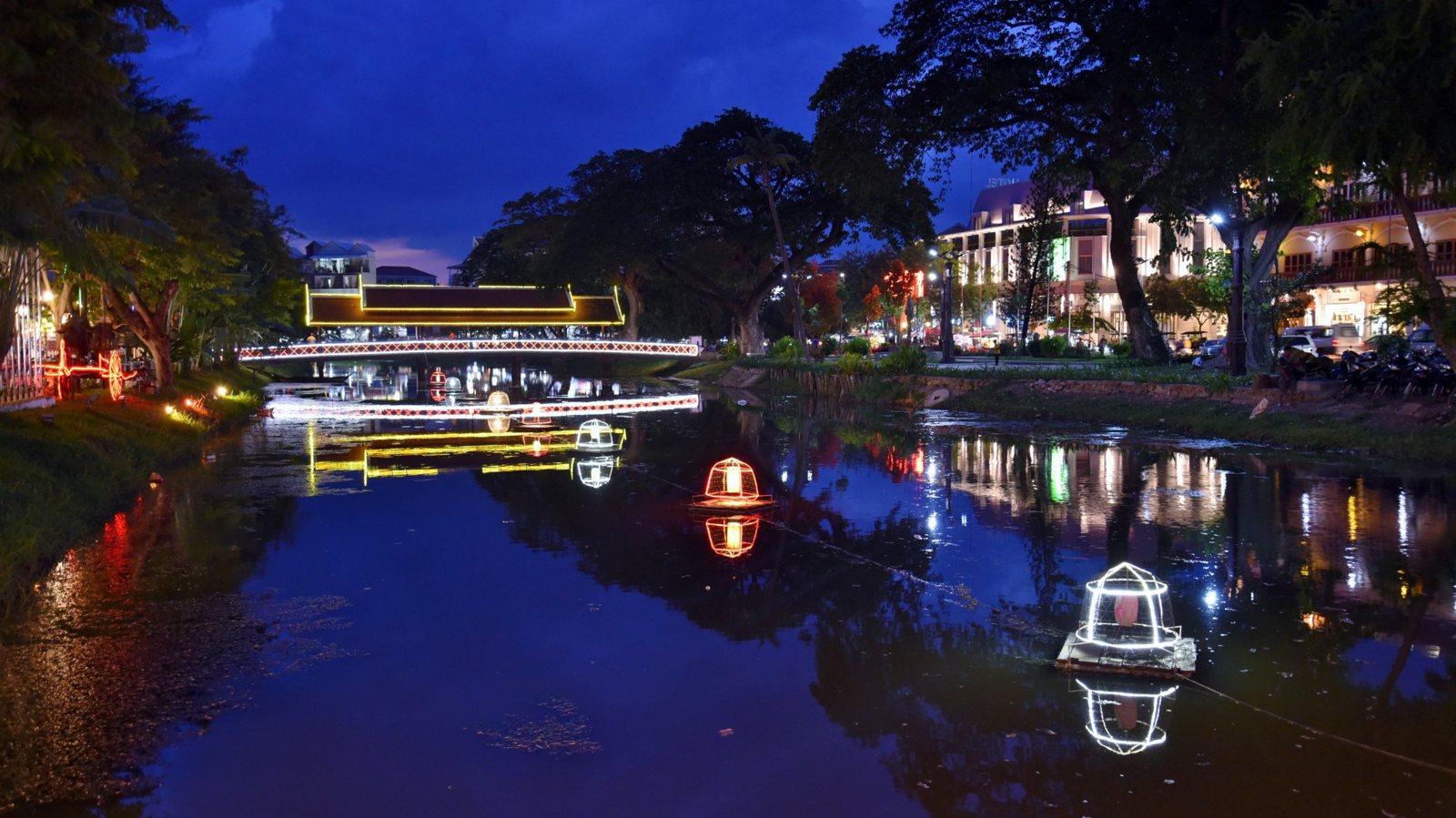
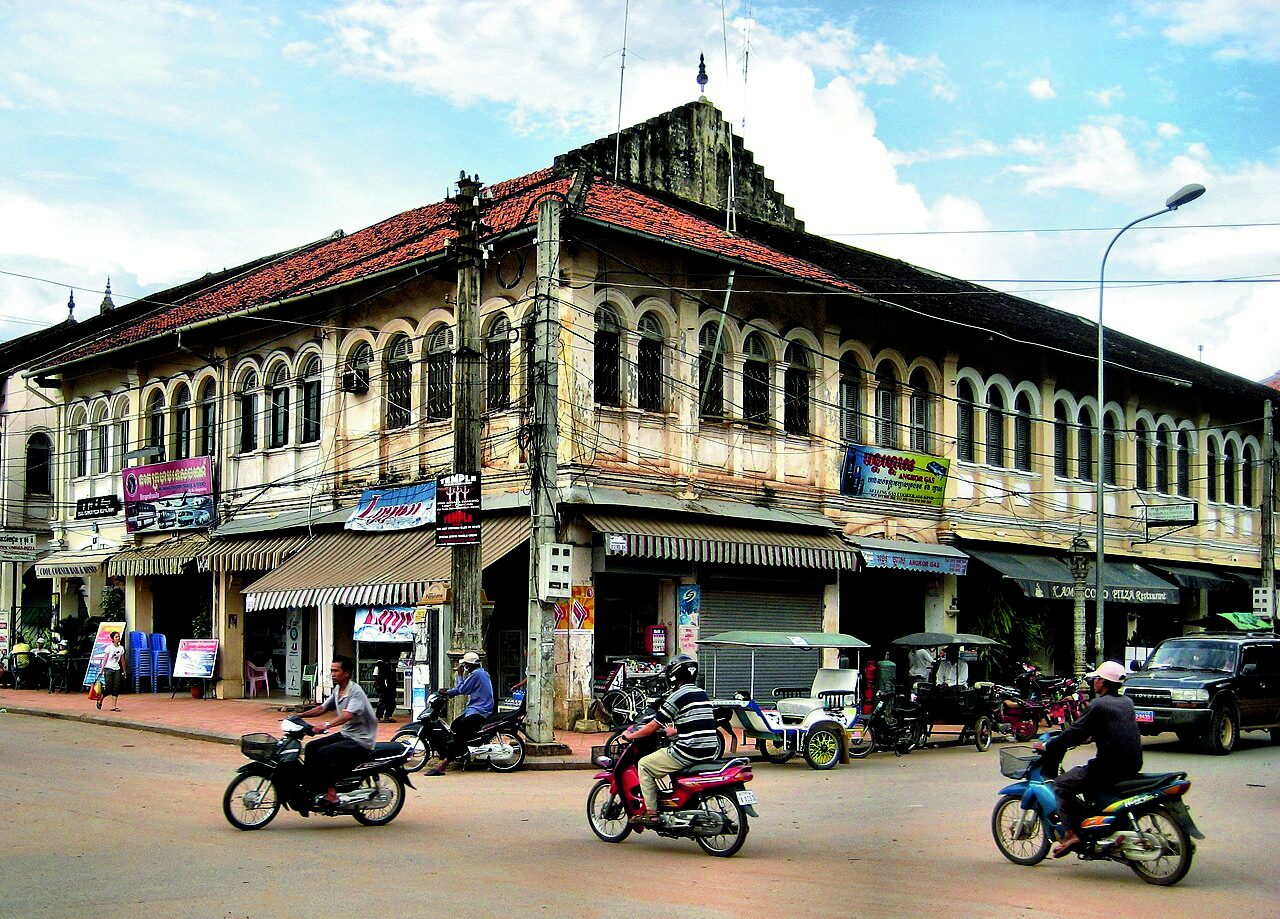
Urban impactsThe site's appeal to tourists has generated significant urban growth and dynamism in the town of Siem Reap, strengthening its position as a growth hub in the network of Cambodian cities, in connection with the Tonlé Sap as well. New issues of urban management and protection of the site's surroundings have emerged, calling for closer coordination between stakeholders, particularly regarding planning regulations and the consistent management of building setbacks and height rules across the whole urban area.